
Visit New York Where America’s First Major Battles for Independence Were Waged

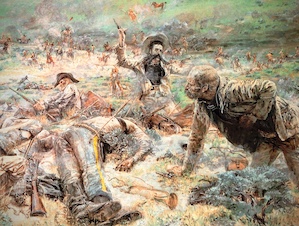
The British Army was on the move and the American militia was scattered across the New York countryside. What followed were nights of courage and defiance that helped shape the outcome of the Revolution. Through midnight rides, strategic river control, and decisive battles from Long Island and Fort Ticonderoga to Saratoga, New York emerged as a true battleground that determined America’s fate. Join writer Mark Orwoll as he traces the battles, landscapes, and forgotten heroes that made New York the linchpin of America’s fight for independence.

Elizabethan London: High Times in Renaissance England

What remains today of Tudor London, the city ruled by Elizabeth I from 1558 to 1603? Although two-thirds of the wooden city succumbed to flames during the Great Fire of 1666—which also cleaned out plague-carrying rats—a number of Tudor buildings remain. They include the Clink Jail (now a museum), the Seven Stars Pub, close to Shakespeare’s original London apartment, the Royal Exchange (modeled on the Bourse in Antwerp), and a 1520 riverside pub-restaurant called The Prospect of Whitby where Captain Kidd plotted his piratical schemes and writers like Charles Dickens and Samuel Pepys dropped by for beer.
During Elizabeth’s reign, urban life centered on the Thames River. Three thousand “watermen” offered taxi service to various river stops. Today, boats, including Uber-taxis, leave many of the same docks for destinations like sumptuous Hampton Court. Read More

SAVING PHNOM PENH’S COLONIAL HISTORY

Although Phnom Penh dates its origin from the 14th century, it wasn’t until 1863 that the city began to take its modern form. That was when Cambodia became a French protectorate, following King Norodom’s request for assistance in deflecting the armies of Thailand and Vietnam. In 1866, Norodom moved his capital from rural Oudong to the confluence of the Mekong, Tonlé Sap and Bassac rivers. Four years later, he built a Royal Palace in the iconic style of the Khmer Empire. Its spires still soar skyward, its sacred elements reflecting Hindu and Buddhist mythology. Few organized tours in contemporary Phnom Penh consider the colonial architectural heritage. This is a shame. It can easily be explored in a stroll of only about 10 minutes from Wat Phnom, the medieval pagoda that is, in its essence, the center of the city.