Visit New York Where America’s First Major Battles for Independence Were Waged

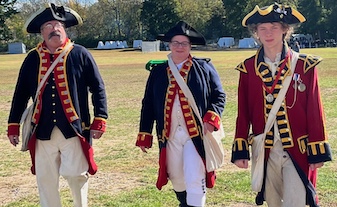
The British Army was on the move and the American militia was scattered across the New York countryside. What followed were nights of courage and defiance that helped shape the outcome of the Revolution. Through midnight rides, strategic river control, and decisive battles from Long Island and Fort Ticonderoga to Saratoga, New York emerged as a true battleground that determined America’s fate. Join writer Mark Orwoll as he traces the battles, landscapes, and forgotten heroes that made New York the linchpin of America’s fight for independence.

Where the Wild Bears Are

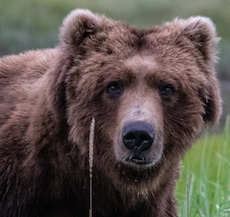
For wildlife enthusiasts and travelers keen to explore the globe, there are incredible bear-viewing destinations on every continent except Australia — sorry, koalas are marsupials, not bears–– and Africa, where Atlas bears were hunted to extinction by the late 18th century. Whether it’s watching sloth bears snuffle through termite mounds in India or spotting the rare spectacled bear in the Andes, the world offers no shortage of unforgettable bear encounters. Alaska may be the gold standard for seeing bears in the wild. Thanks to its sprawling wilderness and salmon-choked rivers, the state has a population of more than 130,000 brown and black bears.

Inside Turkey’s Olive Oil Revival

By Barbara Noe Kennedy In a beautifully restored olive oil mill in Urla—on Turkey’s Aegean coast, west of Ephesus and its now-crowded ancient streets—oleologist Pelin Omuroğlu swirls a golden-green liquid in a blue, tulip-shaped glass, its color concealed, its character revealed through scent and texture alone. “Smell first,” Omuroğlu instructs. “Then slurp—pull in air through…

Elizabethan London: High Times in Renaissance England

What remains today of Tudor London, the city ruled by Elizabeth I from 1558 to 1603? Although two-thirds of the wooden city succumbed to flames during the Great Fire of 1666—which also cleaned out plague-carrying rats—a number of Tudor buildings remain. They include the Clink Jail (now a museum), the Seven Stars Pub, close to Shakespeare’s original London apartment, the Royal Exchange (modeled on the Bourse in Antwerp), and a 1520 riverside pub-restaurant called The Prospect of Whitby where Captain Kidd plotted his piratical schemes and writers like Charles Dickens and Samuel Pepys dropped by for beer.
During Elizabeth’s reign, urban life centered on the Thames River. Three thousand “watermen” offered taxi service to various river stops. Today, boats, including Uber-taxis, leave many of the same docks for destinations like sumptuous Hampton Court. Read More

Gaia

Valhalla On Ice

It was a foggy June day in the year 793 A.D. when several longboats with dragon’s-head prows silently appeared out of the fog bound for the Lindisfarne monastery off the Northumbria coast. Howling like wolves, the Vikings methodically set about the business of slaughter. Some monks were killed midway through their prayers. Others were felled trying to defend their hand-lettered vellum books. Those who failed to die quickly suffered “the blood eagle,” a terminal torture in which a man’s lungs were ripped from his chest and allowed to flap like crimson wings until the screams subsided. And then, just as quickly as they had come, the Vikings disappeared into the cold gray mist of the North Sea, taking with them golden chalices, silk tapestries and intricately carved triptychs while leaving behind a legacy of fear. For the next 300 years, nobles and clergy alike ended their nightly prayers with the whispered supplication: A furore Normannorum libra nos, Domine – “From the fury of the Northmen deliver us, Oh Lord.”